






Evolving Company Culture: How Businesses Elevate Culture Intentionally in 2026
June 25, 2026
Return to Blog ListJune 25, 2026
Return to Blog List
The modern workplace has fundamentally changed. In 2026, businesses are navigating hybrid teams, remote employees, shifting workforce expectations, and a new generation of talent redefining what meaningful work looks like. In this environment, now more than ever, company culture can no longer be treated as something that “just happens” over time.
The strongest organisations are recognising that culture is a strategic advantage. It shapes how teams collaborate, how leaders communicate, and ultimately how businesses grow. More importantly, culture today needs to be built intentionally so employees feel connected to a shared purpose, regardless of where or how they work.
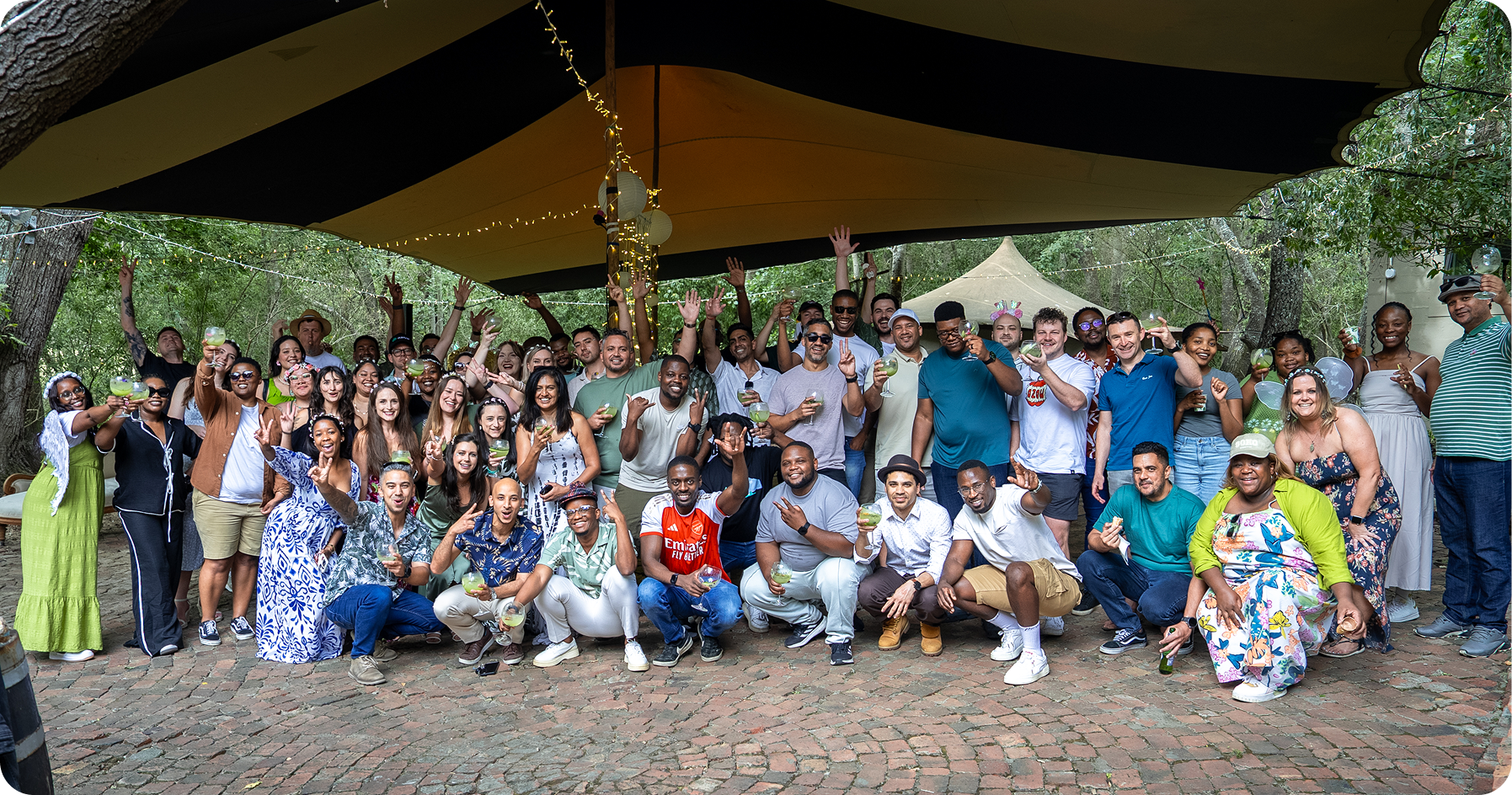
At Ozow, culture is not treated as an abstract concept. It is embedded in how people work, communicate, and grow together.
Why Company Culture Must Be Built Intentionally
Many companies fall into the trap of inheriting culture rather than designing it. What worked for a smaller team or an earlier stage of the business may not support a company as it scales, launches new products, or adapts to changing ways of working. Without intentional effort, culture can quickly become inconsistent across teams and experiences.
Modern businesses need to actively shape environments where people feel aligned, empowered, and connected. Whether employees are fully remote, hybrid, or office-based, culture should be reinforced through leadership, communication, shared values, and everyday actions, not left to chance.
The Cost of Neglecting Culture
When culture is neglected, the impact is rarely immediate, but it becomes visible over time through low morale, slower collaboration, and increasing disconnect between teams. Employees struggle to stay aligned when expectations, communication styles, and company values are unclear or inconsistently reinforced.
As businesses grow, these gaps become harder to ignore. Teams operating in silos, unclear decision-making, and poor retention are often symptoms of a culture that has not evolved alongside the business. In fast-moving environments, culture cannot be treated as an afterthought because misalignment eventually affects performance. According to Jacqueline Hart-Davies, Head of People Operations at Ozow,

What Intentional Culture Looks Like in Practice
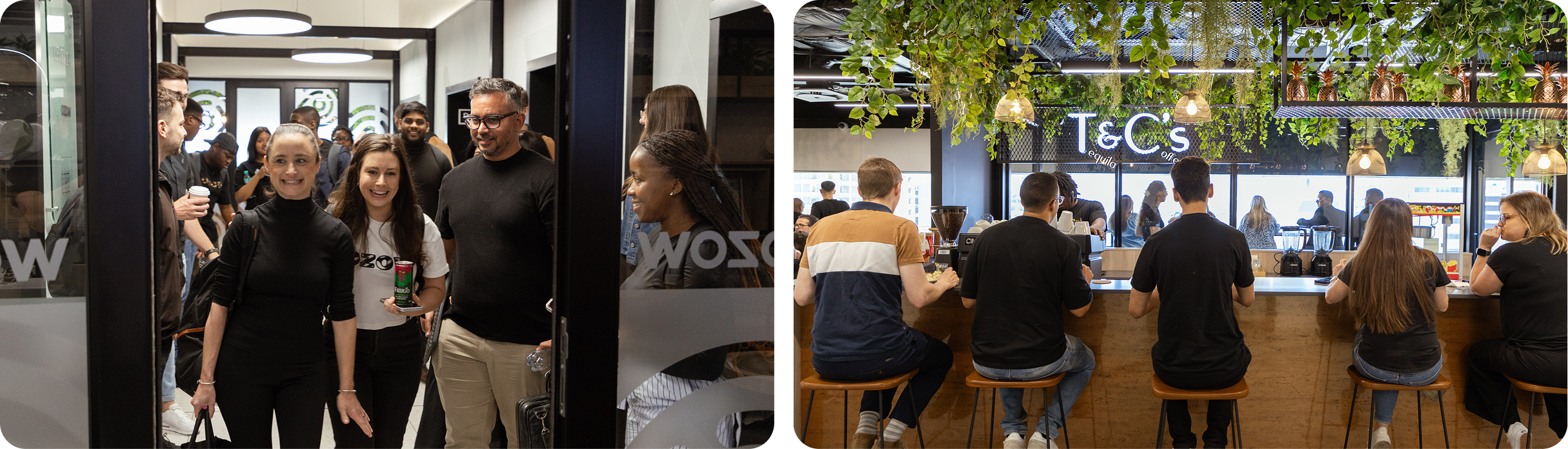
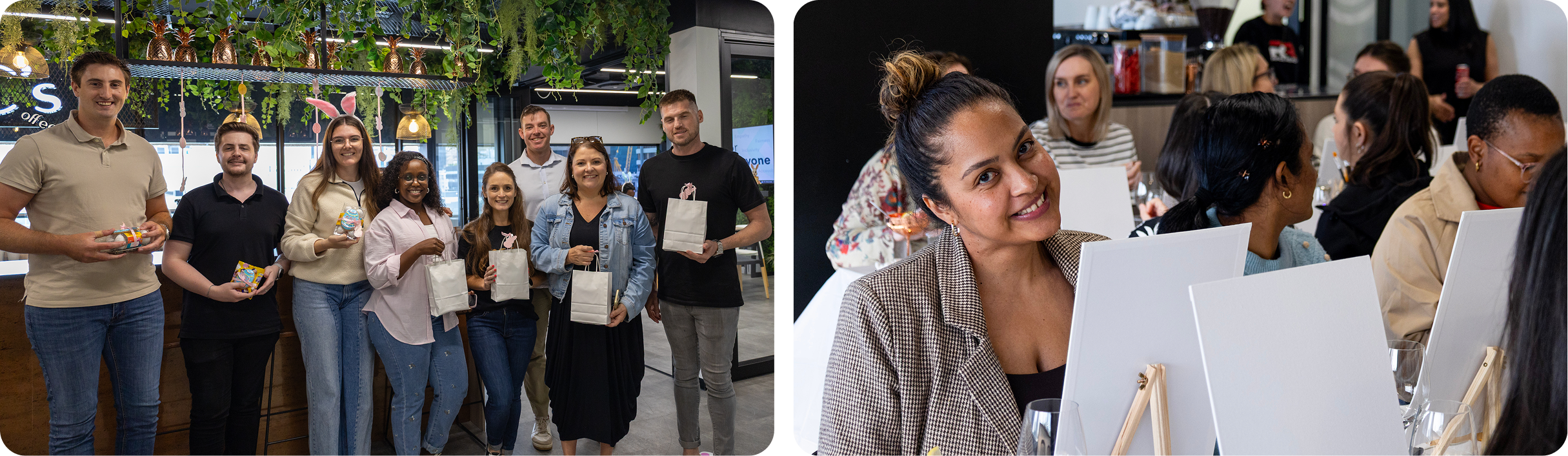
Intentional culture is built through consistent actions, not statements on a wall. It is reflected in how teams collaborate, how leaders communicate, and how employees experience the business day to day. At Ozow, this includes initiatives that encourage cross-functional collaboration, employee connection, and shared experiences across teams.
It also means embedding culture into everyday operations. Cross-functional collaboration between product, marketing, and operations teams ensures alignment across the business, while leadership visibility helps employees feel connected to the company’s direction and goals. Culture becomes stronger when it is actively practised, not just communicated.

How Businesses Can Refresh Their Workplace Culture
Refreshing culture requires intentional action, not broad statements. Businesses looking to evolve their culture should focus on a few key principles:
Why Strong Company Culture Is a Competitive Advantage
Culture directly impacts how businesses perform. Teams that feel aligned and connected are often more innovative, adaptable, and resilient in fast-changing environments. Strong culture also improves collaboration, helping businesses move with greater speed and clarity.
Beyond internal impact, culture shapes the customer experience too. The way employees engage with each other often reflects in how businesses serve their customers. Companies that intentionally invest in culture are also better positioned to attract and retain top talent in increasingly competitive industries.
As Ozow continues to grow, the focus remains on ensuring culture is something people experience, engage with, and help evolve every day.