





The Psychology of Digital Commerce: How It Shapes Online Shopping and Checkout Behaviour
February 17, 2026
Return to Blog ListFebruary 17, 2026
Return to Blog List
Online shopping may look simple on the surface; customers browse, add to cart, and pay, but behind every click is a complex psychological process. Checkout is not just a technical step in the customer journey. It’s the moment where intention is tested, trust is evaluated, and decisions are finalised.
Research by Huang (2018) into online shopping behaviour shows that hesitation during checkout can create a negative motivational state that delays or prevents decision-making. Even customers who fully intend to buy can abandon their purchase when they encounter friction, uncertainty, or unclear processes. Sarah Zaheer’s paper on digital purchasing behaviour consistently links poor interface design and confusing checkout flows to higher drop-off rates. For businesses, this highlights an important reality: conversion is shaped as much by psychology as it is by technology.
Online shopping follows a predictable behavioural journey. Customers move from browsing to paying, into a waiting phase, and finally to receiving their purchase, with each stage introducing different emotional pressures.

Customer behaviour shows that the transition into checkout is where intent becomes most fragile. Browsing feels exploratory and low risk, but checkout introduces commitment. At this stage, shoppers become more sensitive to time, effort, and perceived risk.
The psychology of waiting is especially important here as unclear loading states or unexpected delays increase uncertainty and reduce trust, which can trigger abandonment at the second stage of the online shopping journey.
People naturally gravitate toward experiences that feel effortless. Behavioural insights on online shopping highlight that customer are far more likely to complete purchases when processes are simple and intuitive. High-performing e-commerce platforms reduce friction through intuitive navigation, responsive design, and streamlined checkout flows.

Every additional form field or decision point adds cognitive load. Ultimately excessive complexity contributes directly to decision fatigue and cart abandonment. When checkout feels complicated, leaving the cart becomes the easiest decision. Frictionless features such as autofill forms, saved payment details, and one-click purchasing preserve momentum. By reducing the effort required to complete a transaction, businesses make it easier for customers to follow through on their intent.
Speed is more than a performance metric; it’s a psychological signal. Fast, responsive payment flows communicate reliability and competence. Slow or inconsistent systems introduce doubt at the exact moment businesses need confidence.
According to Iona Pay, digital purchasing behaviour shows that frictionless checkout design; including one-click buying and autofill-enabled payment forms supports smoother behavioural flow and reduces abandonment. This becomes even more critical on mobile devices, where entering payment details can feel cumbersome.
Industry analysis of mobile commerce highlights that wallet integrations and biometric authentication reduce both physical and cognitive friction. The result is a faster, more natural path from intent to completion. Over time, customers begin to associate effortless checkout with the brand itself, encouraging repeat purchases.
Checkout is where perceived risk peaks. Customers are sharing sensitive financial information and committing to a transaction. Trust signals therefore play a central role in conversion.
Familiar payment methods, visible security cues, and transparent processes all reduce anxiety and increase purchase confidence and give the users a feeling of security.
Encryption, tokenisation, and predictable transaction steps give customers a sense of control. Hidden fees, confusing layouts, or unexpected interruptions introduce doubt at the most critical point in the journey. Studies consistently show that clarity and reassurance at checkout are directly linked to higher completion rates.
A practical example comes from Australian e-commerce retailer MEGABAD, analysed by Uncommon Insights.
MEGABAD found a striking difference between their standard checkout and their fast checkout: less than 40% of customers completed the traditional flow, while the optimised fast checkout converted at around 92%. With an average order value of AUD $350, this represented a substantial potential loss in revenue.
Analysis revealed key friction points: a delayed “Buy” button, overly strict address validation, and cumbersome forms especially on mobile. Each of these added cognitive load, slowed the process, and eroded confidence at the critical moment of decision.
Combined, these changes delivered a 78% overall increase in conversion rates. The MEGABAD case study demonstrates a key principle: checkout optimisation is as much about understanding customer behaviour as it is about technology. Removing friction, simplifying decisions, and creating a seamless path to payment protects customer intent and drives measurable business growth.
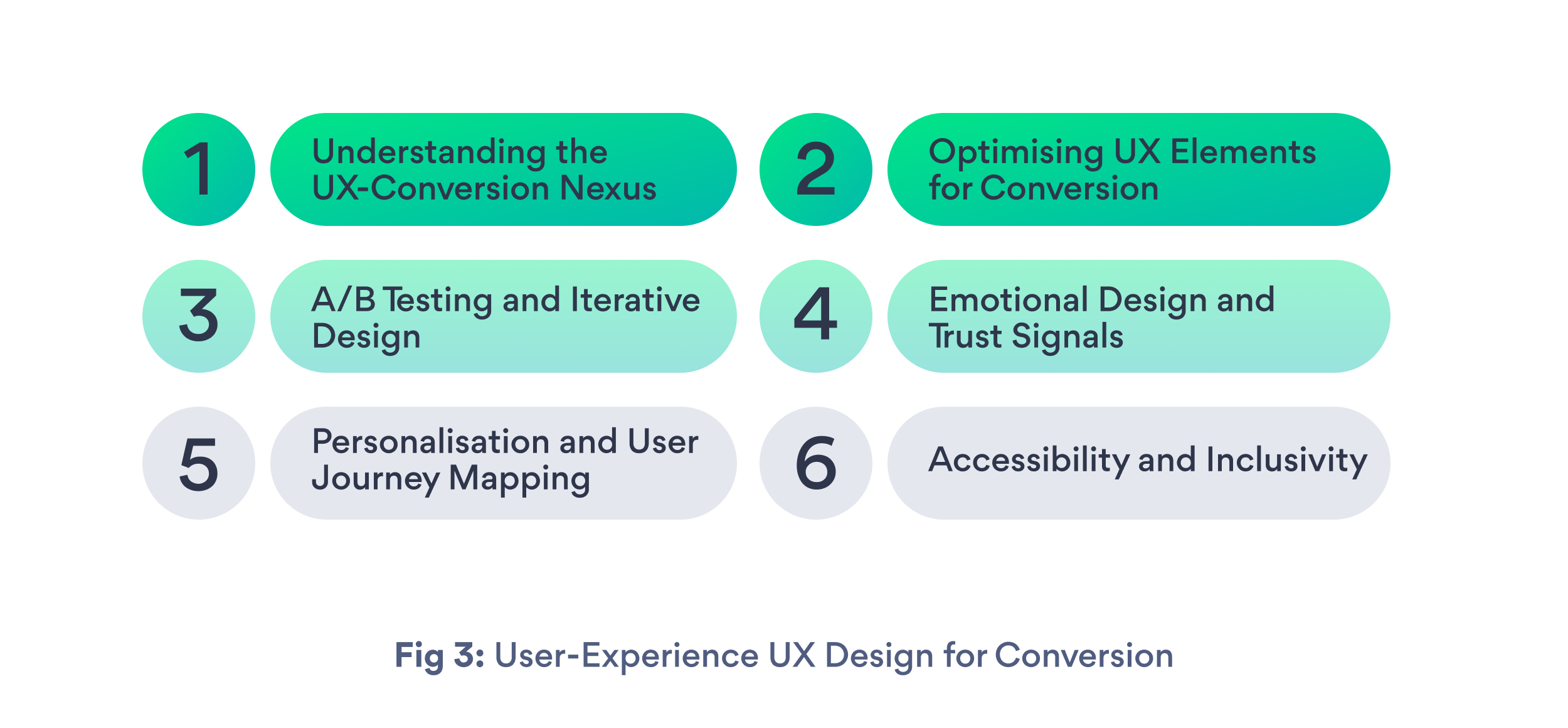
Checkout performance has a direct impact on revenue. Every delay, unnecessary step, or moment of uncertainty carries a measurable cost in lost conversions. The relationship between UX and conversion makes one thing clear: optimised checkout experiences like Ozow are built through continuous testing, friction reduction, and performance improvements. Checkout is not simply a technical endpoint; it’s a psychological threshold.
For businesses, investing in fast, reliable, and intuitive payment experiences protects customer intent and unlocks growth. In a competitive digital economy, businesses that design around human behaviour consistently outperform those that treat checkout as an afterthought. When the path to payment feels seamless and secure, customers are far more likely to complete their purchase and return.
1. https://onlinelibrary.wiley.com/doi/epdf/10.1002/cb.70121
2. https://www.diva-portal.org/smash/get/diva2:1482740/FULLTEXT01.pdf
4. https://www.byteout.com/ecommerce-knowledge-base/the-psychology-behind-online-shopping/
5. https://uncommoninsights.com.au/insights/improving-checkout-speed-ecommerce